PERSONAL EXPRESSION
The UK coffee sector is undergoing a distinct shift. This is becoming increasingly visible as consumer expectations evolve in response to rising prices and greater awareness of what a high-quality coffee moment should feel like. Today, it’s far more than a beverage; it represents lifestyle and personal expression. This cultural repositioning is shaping what consumers deem ‘worth paying for’, and in 2026, value is no longer defined by the cup alone.
It takes in the entire coffee experience, with operators spanning bakery-led coffee, independents and high street chains discovering that customers expect their visit to deliver a coherent sense of quality in every aspect.
While a staggering 81% of consumers say the quality of the coffee is a major factor in what outlet they choose1, this also now extends to the way the shop looks and feels, the efficiency and warmth of service, and the confidence of the barista preparing their drink. Those who can meet these expectations consistently are the ones already winning repeat visits.
OUT-OF-HOME
While flavour remains critical, it now sits within a broader set of signals that tell customers whether their money has been well spent. Interiors play a far greater role than they once did. Clean, contemporary spaces with thoughtful design elements help reassure customers that the same level of attention will apply to their drink.
Our research in the bakery sector shows that, overall there is a preference towards ‘drinking in’ when it comes to where consumers prefer to enjoy their coffee. Just under 40% of those surveyed said they ‘always’ or ‘usually’ drink in, while 31% ‘usually’ or ‘always’ takeaway1.
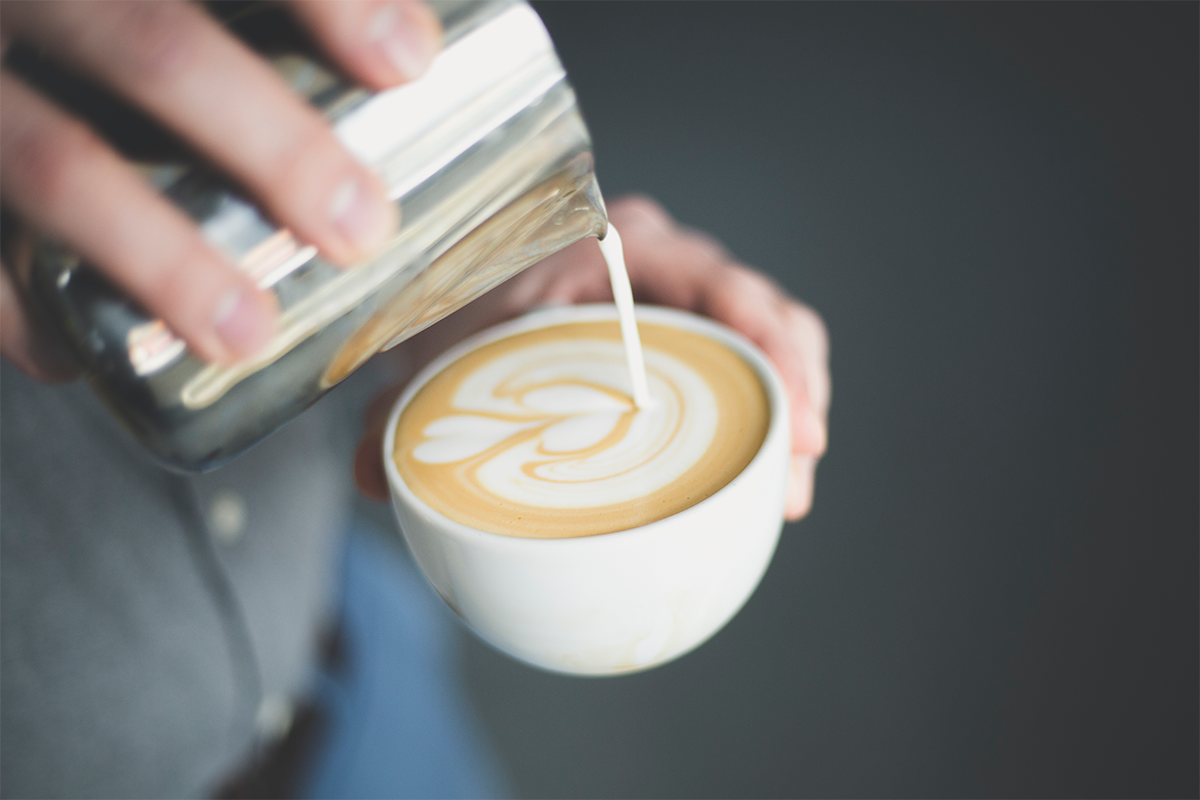
With this in mind, service speed is becoming a crucial differentiator. With many coffee occasions tied to commuting, school runs or lunch breaks and almost 40% of under 45s ‘always’ or ‘usually’ opting for a takeaway, long waits can undermine even the best brew2. That said, speed shouldn’t come at the cost of quality and professionalism, with consumers still seeking knowledgeable coffee recommendations and a drink finished with a flourish of perfect latte art.
Menu design is also being elevated. A clear, intuitive and well-structured selection helps customers navigate a growing level of choice without feeling overwhelmed, while also giving operators the chance to highlight more indulgent or sensory-led serves that enhance the overall experience.
GENERATIONAL OUTLOOKS
There is, however, a marked difference in the ways younger and older consumers define value.
Younger drinkers, particularly those under 35, are drawn to moments that feel dynamic, convenient and visually impactful. They move quickly, order quickly and expect the experience to reflect the pace of their day. Highly engaged with coffee as a visual medium, they gravitate towards textured cold foams and colourful additions that translate effortlessly onto social platforms. With 45% of under-35s sharing a picture of their beverage online in the past 12 months, for this group, value is tied not only to flavour and price but to novelty, creativity and the online shareability a drink can offer3.
In contrast, older generations tend to define value through comfort and craftsmanship. They prefer warm, familiar interiors, attentive service and classic drinks served to perfection, rather than new, more novelty options. For them, visiting a coffee shop is a deliberate ritual in which they expect to feel relaxed, welcomed and confident in the quality behind the counter. Consistency, provenance and authenticity matter far more than theatrics, and reliability sits at the heart of their expectations.
Successfully catering to both ends of this generational spectrum requires finding the balance between sensory-led innovation and comforting familiarity.
SKILLED SERVICE
Another factor in the value equation is barista capability. As personalisation increases and menus broaden to include more textural, sensory-driven serves, the skill and confidence of the team is now central to the experience. Consumers increasingly appreciate opportunities to engage with knowledgeable staff who can explain the origins of a blend or recommend alternatives. Baristas have the power to transform a routine purchase into something more memorable, helping to build loyalty and establish the kind of ‘regular spot’ that customers begin associating with their own identity.
At Lincoln & York, supporting operators through this shift has become a central focus. We equip staff with the skills to talk knowledgeably about their coffee blends and prepare drinks with precision, helping operators deliver a level of service that aligns with rising expectations. We also conduct bespoke research, sharing insights to help our customers understand their consumers and make the most of every occasion.
As we look to the year ahead, it’s clear that operators who prioritise quality coffee alongside overall experience quality, understand generational nuance and invest in barista capability, will be the ones shaping the next chapter of the out-of-home UK coffee market.
(1) Lincoln & York, The Rise in Bakery Coffee Report, 2025
(2) Lincoln & York, Coffee Culture Report, 2024
(3) Allegra Project Cafe 2025