

Tell us about your exciting business developments.
This is set to be a landmark year for Islands Chocolate – and a pivotal one for the cafés we serve. After five years of building our cocoa sourcing strategy, brand foundations and product range, we spent 2025 refining our end-to-end operation, so we can deliver the best-performing, highest quality drinking chocolate for café businesses. And at the heart of this is our cocoa, with our story beginning not in a factory, but on farms.
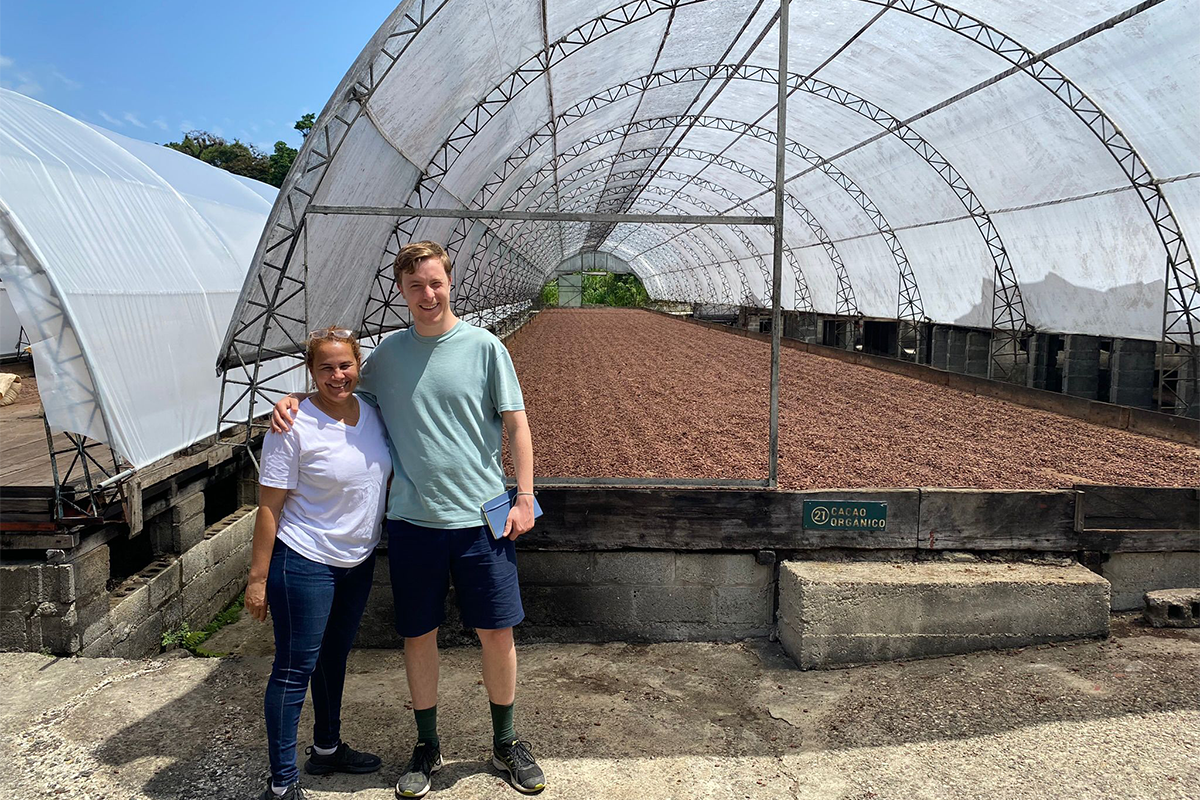
Before Islands Chocolate existed, we were The St Vincent Cocoa Company, farming and sourcing directly from smallholders on the Caribbean island. When I founded Islands Chocolate in 2018, my mission was simple and uncompromising: to create exceptionally delicious chocolate that delivers a genuinely positive impact at source.
Because we grew cocoa ourselves, we understood early on that flavour, fairness and transparency can – and should – go hand in hand. Today, we work directly with farming partners who share our commitment to growing cocoa ‘The Islands Way’: with respect for people, place and craft. That’s what gives our drinking chocolate its distinctive depth of flavour – and what enables cafés to offer something meaningfully different from mainstream powders.
Operationally, 2026 is about smart efficiency. Demand for quality cocoa is at an all-time high, and the global market has been volatile. So, we’re evolving how we source, without changing who we source from. Our commitments remain non-negotiable: slavery-free, deforestation-free cocoa that pays farmers fairly. What’s changing is that we’re streamlining our process by working with partners to press finished powders to our exact specifications, rather than buying whole cocoa and pressing via a third party. For partners, that means more consistency, stability and the ability for us to deliver more efficient product lines.
Another major focus for 2026 is building brand awareness. In October 2025, we launched our retail range into Tesco, and that step change in visibility is already strengthening trust in our name. We’re supporting this with consumer campaigns and events, ultimately benefitting cafes that serve Islands via increased recognition, confidence and willingness to trade up.
Finally, our product range is entering its next stage of evolution. Our 32% Hot Chocolate Powder was originally developed for dual use across barista service and bean-to-cup machines. It’s proved to be used exclusively by baristas, so we’re reformulating it specifically for café service by removing anticaking agents and delivering a clean, UPF-free ingredient list. We’re also expanding into a new bakery line made with cocoa sourced The Islands Way, offering cafés a 360° chocolate solution, from signature hot chocolates to high-quality brownies, cookies and pastries made with flavour-first, ethical cocoa.
Hot drinks are a hugely competitive market. How can Islands help operators get ahead?
This competitiveness is exactly why hot chocolate is such a strategic opportunity. Across independent cafés, specialty roasters and multisite operators, I see the same thing: when a business takes hot chocolate as seriously as coffee, the overall value perception of the menu rises.
For years, hot chocolate was the neglected corner of the drinks list. Customers are used to origins, processing and tasting notes in coffee, yet hot chocolate is often left as a single generic option. Upgrading that section signals something important: this café cares about quality across the board. It also creates a natural moment for upsell – multiple hot chocolate options spark curiosity, conversation and repeat visits once customers taste the difference.
Islands help cafés lead that premiumisation in a way that feels authentic, because it’s backed by both provenance and flavour. Yes, our sourcing standards matter, and customers increasingly care about the story behind the beans and the chocolate in their cup, but flavour is what drives repeat purchase – and that’s where we’ve built our reputation.
Our chocolate button range holds Great Taste Awards across the board, with our 55% Milk Buttons earning two gold stars in 2025. Our recipes are trusted at the highest levels – from Michelin-starred menus to a five-year residency on the GAIL’s menu. Customers who already know the finest chocolate recognise Islands instantly; those who don’t are often surprised by the fruit-forward complexity and depth that unfolds across the cup.
We also make it easy for café teams to sell. Because we began as cocoa farmers, our story is tangible and credible, and we support it with practical assets (strut cards, jar stickers, posters, fact sheets and barista education), as well as seasonal recipe booklets geared towards trend-focused drinks innovation, that help staff confidently introduce the product, explain the flavour, and drive conversion at the point of sale.
Regenerative and sustainability are key watchwords for you. How are you making strides in these areas?
Regenerative farming isn’t new to us, it’s where Islands Chocolate began. Long before ‘regenerative’ became a mainstream buzzword, agroforestry was central to how we grew cocoa in St Vincent. It’s the foundation of our flavour, ethics and long-term vision for cocoa that benefits people and the planet.
Our cocoa is grown in regenerative agroforestry systems – mixed, layered environments that mimic natural forest ecosystems. This model supports biodiversity, helps farms become more climate resilient, nourishes soil health, and reduces the need for synthetic inputs by encouraging natural balance.
On our own farms in St Vincent, this approach has enabled us to plant over one million trees – not as an offsetting scheme but as an essential part of how we farm. They stabilise soil, support canopy cover, strengthen productivity and sequester over 8,000MT of carbon per year.
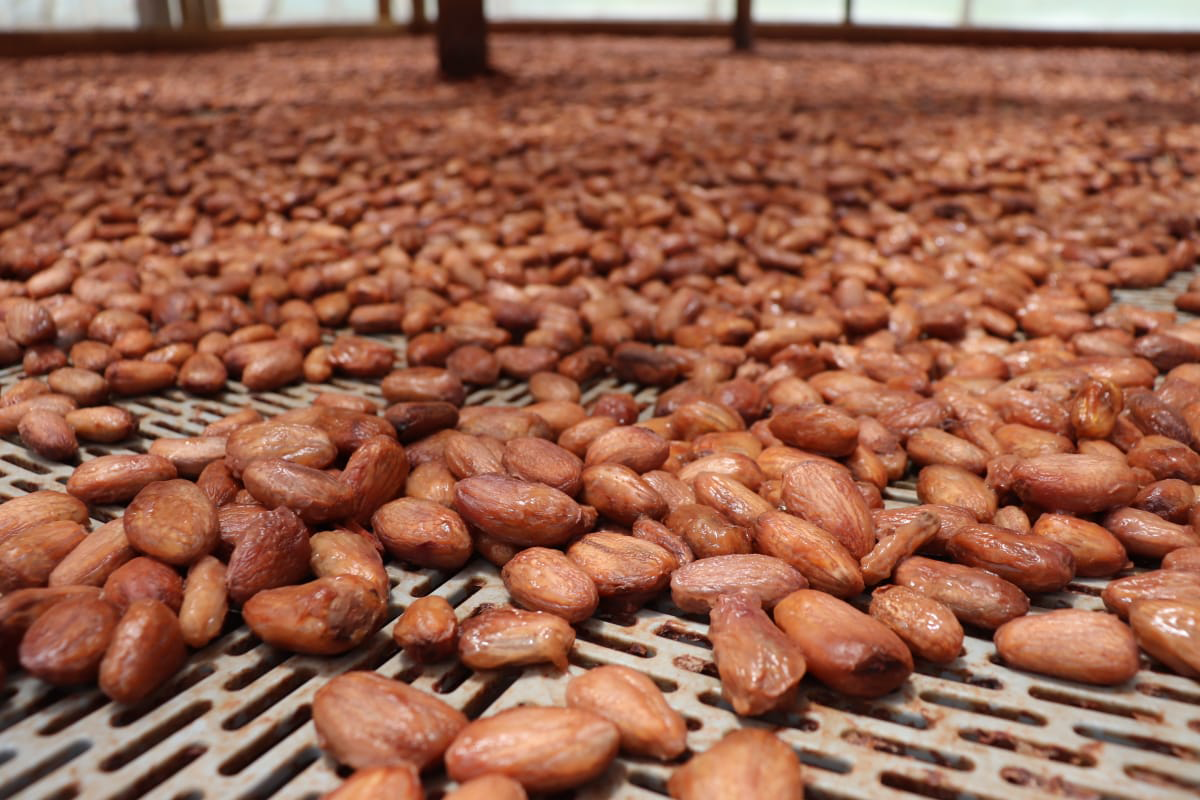
And this is where sustainability connects directly to café quality: healthier ecosystems create better cocoa. When the trees grow within biodiverse environments, the beans develop deeper, more complex flavour profiles.
How do you deal with price volatility?
The cocoa industry experienced unprecedented volatility in 2024, with global prices surging to record highs. That shock was felt everywhere – from manufacturers to shoppers – and was largely driven by severe supply shortages in West Africa, which produces nearly 70% of the world’s cocoa. Underinvestment in farms, limited education, ageing trees and an El Niño weather cycle combined to reduce yields dramatically, sending prices soaring.
For years before that surge, these were exactly the conversations I was having when customers questioned the difference between commodity cocoa and Islands. The traditional model used in much of West Africa has long been unsustainable – environmentally, socially and economically.
When harvests fail, it triggers global price wars for cocoa, driving costs up across the board.
What protected our customers was our sourcing model. With a closed supply chain in St Vincent and direct, long-term relationships with farming partners, we were largely insulated from much of the turbulence. We don’t rely on brokers, commodity auctions or market speculation. Instead, we prioritise stable, futureproofed farming and transparent relationships that allow us to maintain consistency in supply, quality and pricing.
For operators, that stability really matters. It protects margins, supports menu planning and ensures bestselling hot chocolate remains reliably available, even when the global market is anything but predictable.
Who do you partner with – and who would you like to work with in the future?
One of the strengths of Islands Chocolate is that we can genuinely support cafés at every level, from independents and specialty roasteries to national multisite groups.
Through a small number of white label partnerships, we supply bespoke cocoa blends to some of the biggest names on the UK high street. These are engineered to meet each brand’s flavour profile, operational requirements and margin needs, proving that premium, ethical cocoa can scale.
We also remain deeply committed to the independent sector, nurturing long-term relationships with select specialty coffee partners that share the same mission for process, provenance and sourcing principles.
And we partner closely with with specialty café wholesalers such as Stores Supply, and work directly with brilliant cafés across the UK, including Moonstruck Café in South Lambeth, Pollen in Manchester, Kolly Coffee in Ealing and Soulshine in Bridport.
Our footprint in the national café market has expanded significantly too. Following our retail launch, we became the hot chocolate partner for The Café at Tesco, where it is served across more than 300 sites nationwide. M&S Cafés also take a bespoke chocolate flake range from us for their Luxury Hot Chocolate menu.
The truth is, our Islands Way model goes beyond Fairtrade standards. In St Vincent, farmers are paid by salary, offering security and stability that surpasses typical certification frameworks. Looking ahead, I want to work with businesses who see hot chocolate not as an afterthought, but as a category with real potential.
And if I could leave operators with one thought, it’s this: hot chocolate is one of the most under-leveraged parts of a café menu. Done properly, with provenance, flavour and a product customers remember, it builds loyalty.